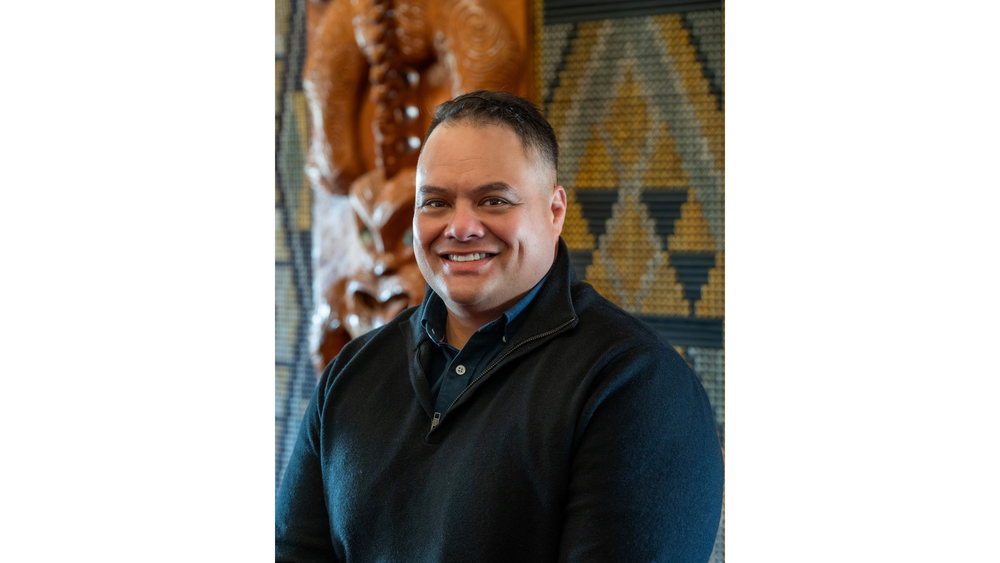
![Ko wai ahau Alex Barnes is a Pākehā pāpā and product of the kaupapa Māori education movement through his families involvement in kōhanga reo and kura kaupapa. He has affiliations to Mātaatua, Tainui and Te Tai Tokerau regions through my ongoing involvement in kaupapa Māori movements and his daughter Hautonga Mary Hotere-Barnes (Ngāti Maniapoto, Te Aupōuri, Te Rarawa, Ngāti Wai, Europe). He lives in Tāmaki Makaurau. Te Tiriti o Waitangi is his touchstone personally and professionally. He draws on te Tiriti as a way to understand and work with a diverse set of kaupapa Māori and non-Māori groups, individuals and organisations. Alex’s work focuses on creating solid evidence about what fosters meaningful connection and collaboration between Māori and non-Māori individuals and groups. He is interested in the complexity of cultural, social, economic and environmental determinants of wellbeing and has worked in education, public health and adult education for over 25 years. His PhD explored co-governance in education in Aotearoa. Alex is the Rangahau Manager with Te Rau Ora, a national kaupapa Māori health and social sector workforce and development organisation.]()
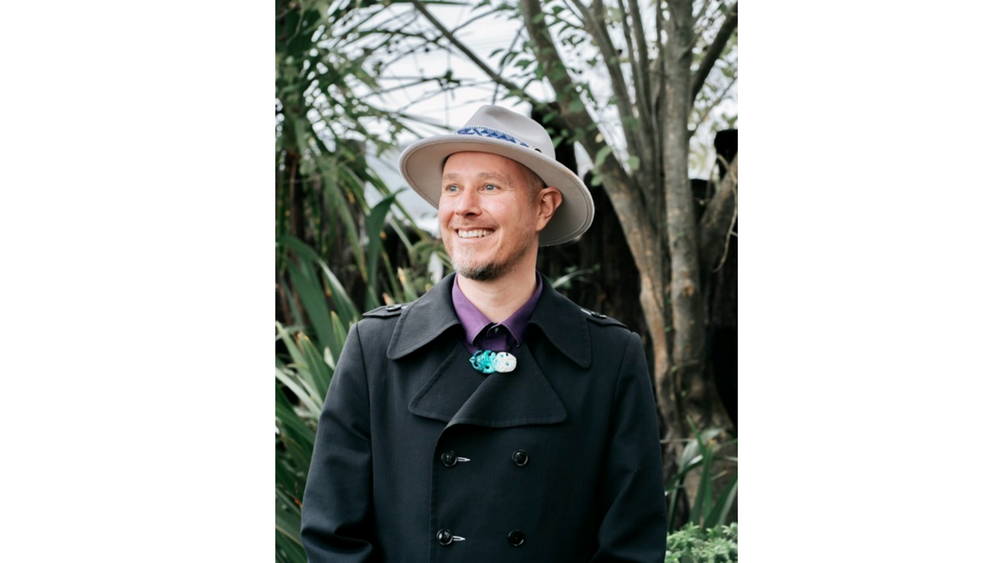
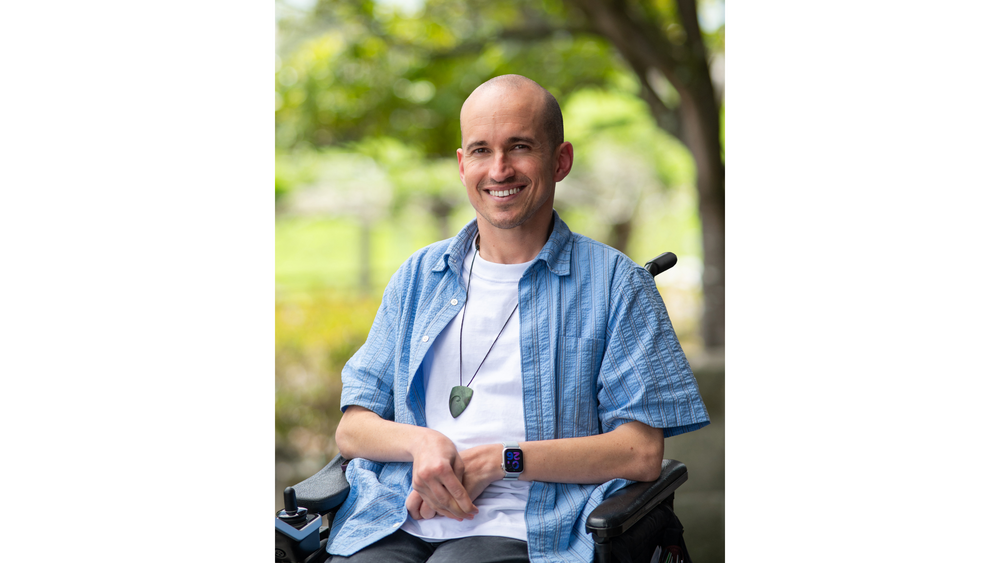
Ko wai ahau Alex Barnes is a Pākehā pāpā and product of the kaupapa Māori education movement through his families involvement in kōhanga reo and kura kaupapa. He has affiliations to Mātaatua, Tainui and Te Tai Tokerau regions through my ongoing involvement in kaupapa Māori movements and his daughter Hautonga Mary Hotere-Barnes (Ngāti Maniapoto, Te Aupōuri, Te Rarawa, Ngāti Wai, Europe). He lives in Tāmaki Makaurau. Te Tiriti o Waitangi is his touchstone personally and professionally. He draws on te Tiriti as a way to understand and work with a diverse set of kaupapa Māori and non-Māori groups, individuals and organisations. Alex’s work focuses on creating solid evidence about what fosters meaningful connection and collaboration between Māori and non-Māori individuals and groups. He is interested in the complexity of cultural, social, economic and environmental determinants of wellbeing and has worked in education, public health and adult education for over 25 years. His PhD explored co-governance in education in Aotearoa. Alex is the Rangahau Manager with Te Rau Ora, a national kaupapa Māori health and social sector workforce and development organisation.
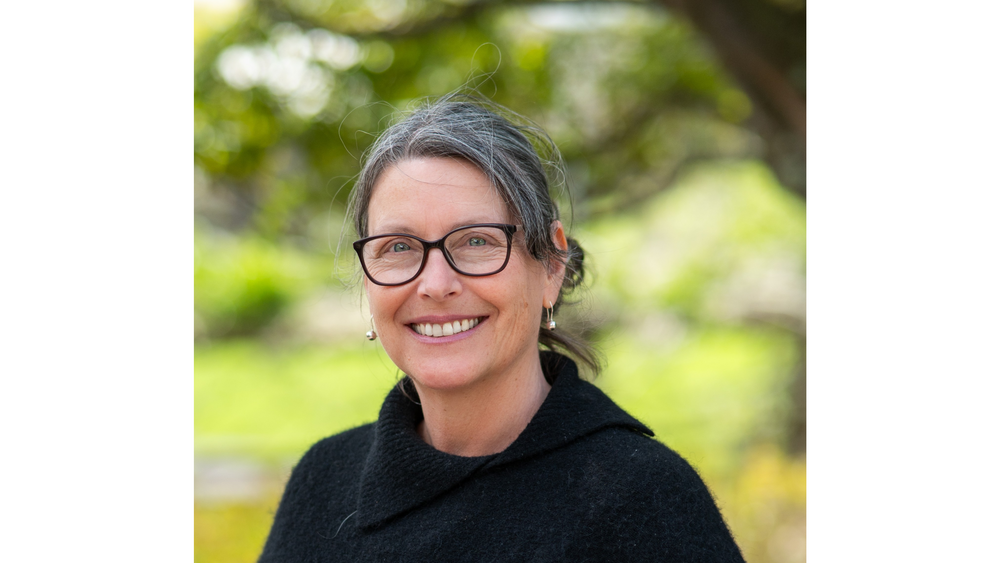
![Alice McSherry (she/her) is a māmā, an independent researcher and a community practitioner working at the intersection of cultural and ecological revitalisation. She currently serves as a Kaiwhakatere/Navigator for the Waiheke Marine Project, a community and mana whenua led movement working toward the protection and regeneration of Waiheke's marine environment. She also works as a teaching fellow in the School of Environment at Waipapa Taumata Rau/University of Auckland, lecturing at undergraduate and postgraduate levels, and is involved in a number of ongoing creative and participatory research projects to do with soil regeneration and imagining decolonial futures in Aotearoa. Central to all of her mahi are inquiries of/with processes of ancestral recovery and the expansion of more-than-human kinship for a regenerative future for people and planet. Alice lives on/with Te Motu Ārai Roa/Waiheke Island with her whānau and is often found covered in dirt from the māra, hair salty from an ocean swim, or gazing wistfully at the moon.]()
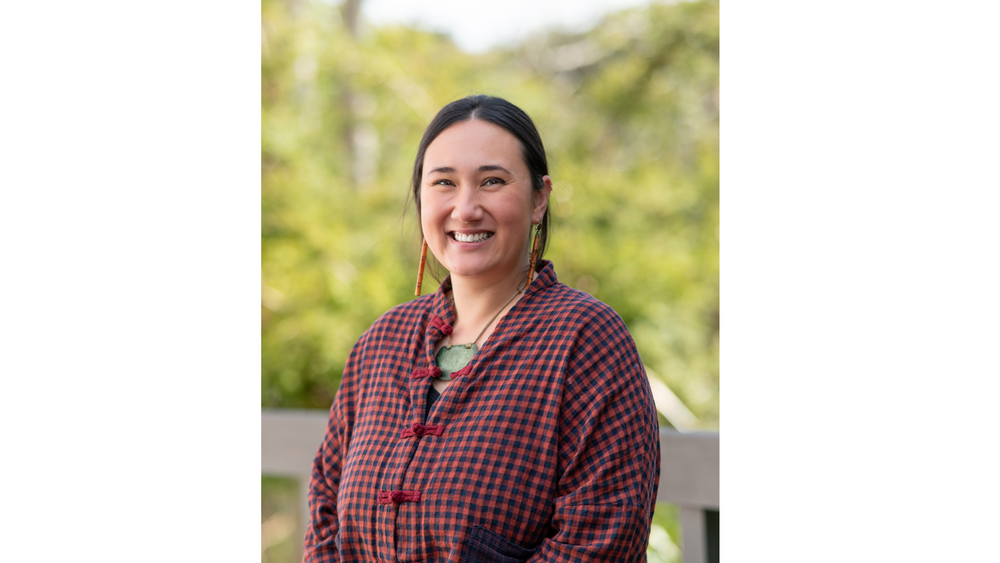
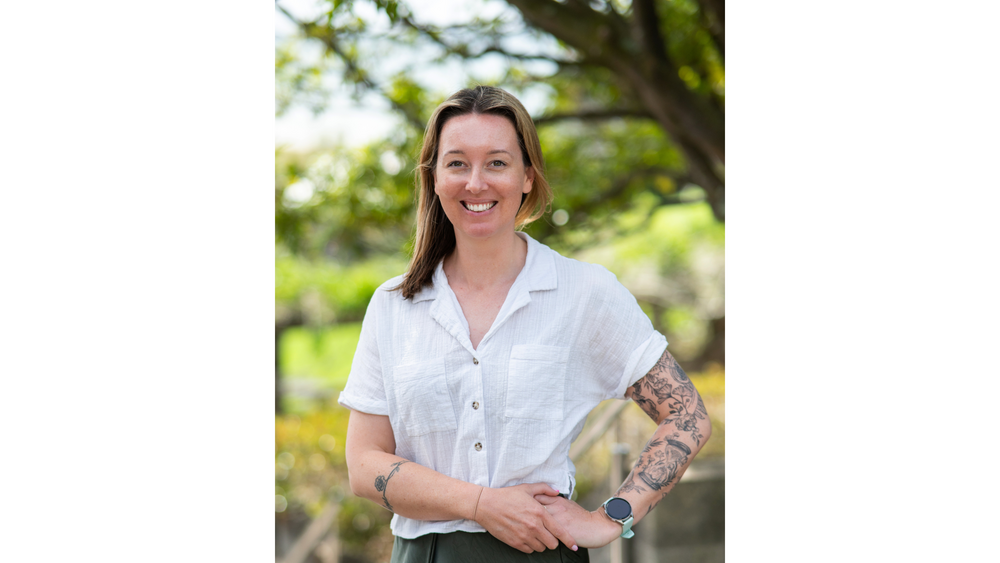
Alice McSherry (she/her) is a māmā, an independent researcher and a community practitioner working at the intersection of cultural and ecological revitalisation. She currently serves as a Kaiwhakatere/Navigator for the Waiheke Marine Project, a community and mana whenua led movement working toward the protection and regeneration of Waiheke's marine environment. She also works as a teaching fellow in the School of Environment at Waipapa Taumata Rau/University of Auckland, lecturing at undergraduate and postgraduate levels, and is involved in a number of ongoing creative and participatory research projects to do with soil regeneration and imagining decolonial futures in Aotearoa. Central to all of her mahi are inquiries of/with processes of ancestral recovery and the expansion of more-than-human kinship for a regenerative future for people and planet. Alice lives on/with Te Motu Ārai Roa/Waiheke Island with her whānau and is often found covered in dirt from the māra, hair salty from an ocean swim, or gazing wistfully at the moon.
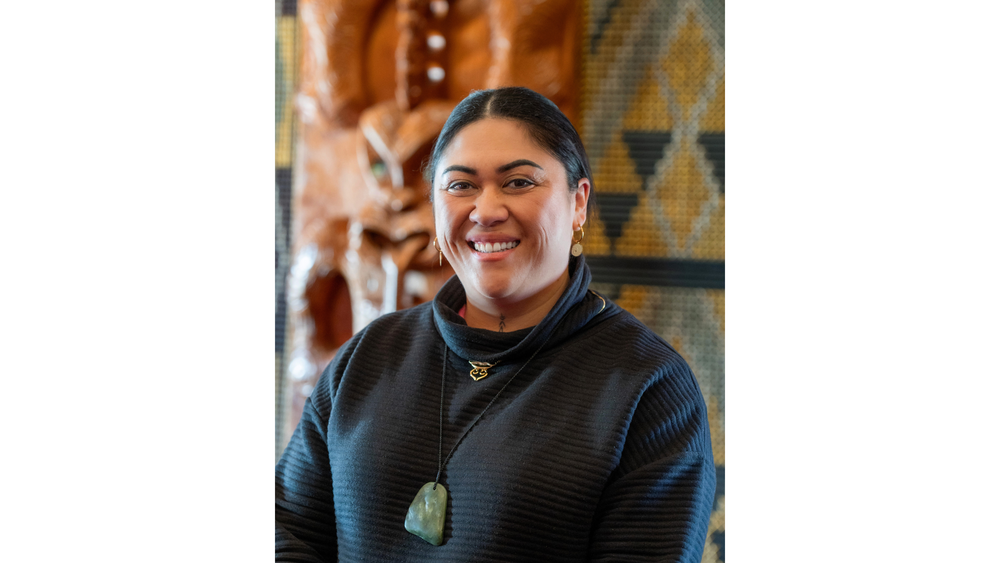
![Tau ana ki rung ai te tirohanga o Kāwhia. Titiro whakararo ki te Rangatira o tōku marae, Ko Auaukiterangi. Takahia atu au ki te herenga o Tainui waka, te whakapapa o Tangi-te-korowhiti. Rere kau ana au ki runga o Kāwhia moana ki ngā wahi o Te Tai Hauāuru, ko Te Waitere, Te Maika raatou ko Honipaka. E kaukau ana ki roto i ngā ngaru o Paparoa tae atu ki Waiohipa. Teena ko tōku awa ko Mitiwai. E noho ana au ki runga o tōku whenua taurikua o Ngāti Mahuta, Ko te Tahāroa o. Ruaputahanga, teena kōrua ngā marae ko Aruka, ko Te Koraha. Ko te mokopuna o te whānau Whitiora, te whānau Maikuku hoki. Tokowhā ngā tamariki. Ko Anne-marie Maikuku ahau . Grounded in Whenua Ora, Whakapapa, Mana Wāhine, Manaakitanga, and Whanaungatanga, my intrinsic values guide every aspect of my service to our people. I graduated with a Bachelor of Oral Health from the University of Otago and have been shaped by my experiences within kura kaupapa Māori environments across Waikato, where I served as the lead oral health therapist for Te Pou Waka Niho Tuatahi. These foundations inspired me to pursue further learning, culminating in a Master of Applied Indigenous Studies – He Waka Hiringa – from Te Wānanga o Aotearoa. Today, I continue to advocate for equity in oral health as the Strategic Oral Health Lead for the Clare Foundation, serving communities throughout Aotearoa.]()
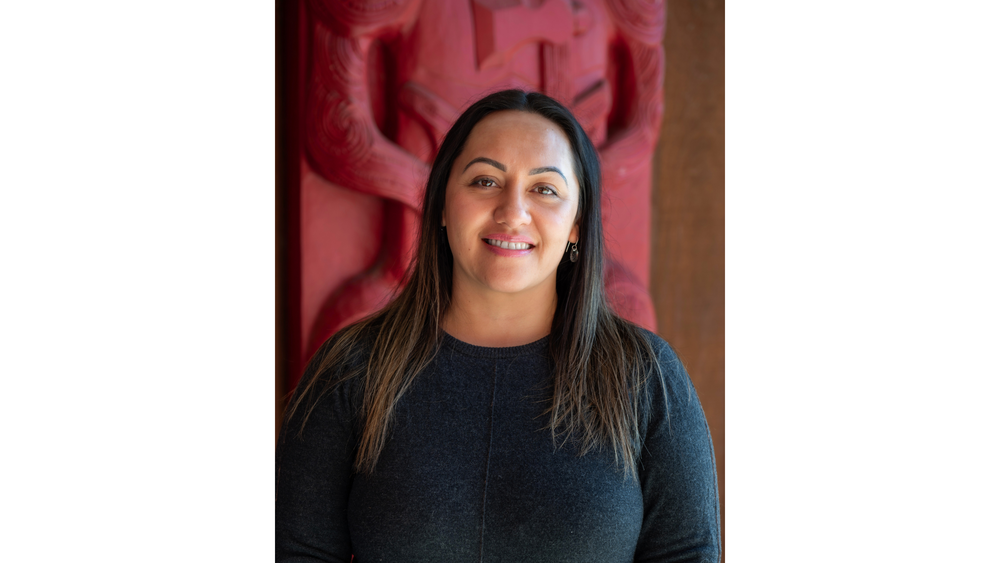
Tau ana ki rung ai te tirohanga o Kāwhia. Titiro whakararo ki te Rangatira o tōku marae, Ko Auaukiterangi. Takahia atu au ki te herenga o Tainui waka, te whakapapa o Tangi-te-korowhiti. Rere kau ana au ki runga o Kāwhia moana ki ngā wahi o Te Tai Hauāuru, ko Te Waitere, Te Maika raatou ko Honipaka. E kaukau ana ki roto i ngā ngaru o Paparoa tae atu ki Waiohipa. Teena ko tōku awa ko Mitiwai. E noho ana au ki runga o tōku whenua taurikua o Ngāti Mahuta, Ko te Tahāroa o. Ruaputahanga, teena kōrua ngā marae ko Aruka, ko Te Koraha. Ko te mokopuna o te whānau Whitiora, te whānau Maikuku hoki. Tokowhā ngā tamariki. Ko Anne-marie Maikuku ahau . Grounded in Whenua Ora, Whakapapa, Mana Wāhine, Manaakitanga, and Whanaungatanga, my intrinsic values guide every aspect of my service to our people. I graduated with a Bachelor of Oral Health from the University of Otago and have been shaped by my experiences within kura kaupapa Māori environments across Waikato, where I served as the lead oral health therapist for Te Pou Waka Niho Tuatahi. These foundations inspired me to pursue further learning, culminating in a Master of Applied Indigenous Studies – He Waka Hiringa – from Te Wānanga o Aotearoa. Today, I continue to advocate for equity in oral health as the Strategic Oral Health Lead for the Clare Foundation, serving communities throughout Aotearoa.
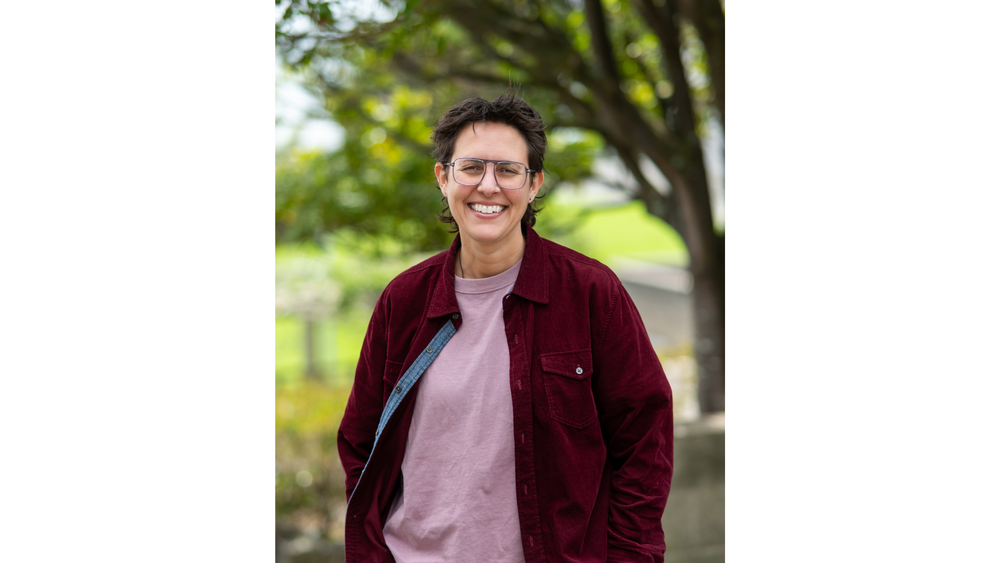
Cat is passionate about systems change, entrepreneurship and profit-for-purpose models. Cat is a proud member of the LGBTQI+ community and is intentional about amplifying marginalised voices. Cat has an extensive background in small business development and social enterprise growth. In 2015, she followed her passion and transitioned from property acquisition and project management to the not-for-profit sector. Since joining Crescendo, Cat has developed a strategy to increase sustainability, grow operational capacity and expand impact for our rangatahi. Cat is proud of the 150% increase on income since she started and proud to have found and fitted out a fit-for-purpose whare/home for Crescendo in 2025, after 7 years in the planning. Cat enjoys swimming, cycling, basketball, is a fan of all genres of music and loves making playlists to soundtrack her life.
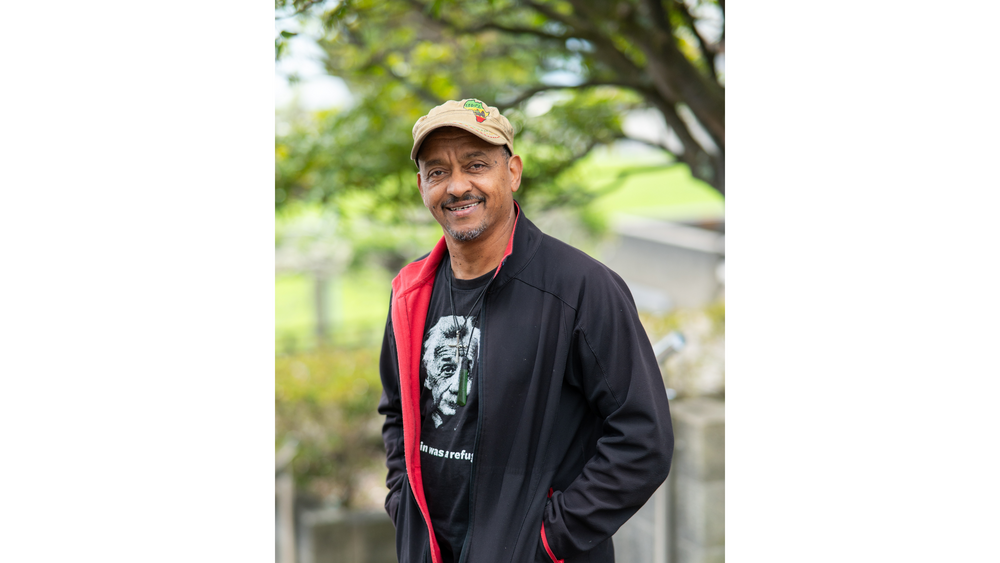
My name is Dawit Arshak. I was born in Ethiopia and am a proud husband and father of five amazing children. I became a refugee in 1984 and lived in Khartoum, Sudan, for 14 years before coming to New Zealand through the Quota Refugee Programme. I have now lived in Aotearoa for more than 27 years working in a wide range of roles, no job has ever been to difficult or too humble for me. By nature and through lived experience, I am a facilitators, negotiator, and above all, a caretaker. My purpose in life is to be available to help others, regardless of our differences. I feel privileged to have worked across several refugee resettlement sectors in New Zealand, supporting my fellow refugee whānau.
Deborah Mackenzie is a co-founder of The Backbone Collective, and highly regarded in the violence-elimination sector as an expert in victim-survivor engagement. She has worked for many years trying to improve New Zealand's response to violence against women and children, working for NGOs, government agencies and as an independent researcher. Deborah has a special interest in improving the justice sector response. She has significant experience as a trainer, presenter and media commentator and has a Master of Arts (first class) in Education from the University of Auckland.
Jo Wyld is a Trustee and Head of Marketing, Comms and Engagement at Taimahi Trust. Outside of this work, she is a Marketing Consultant. Jo has lived experience of disability and has advocated for better disability inclusion throughout her decade-long career. She has worked in both the not-for-profit and commercial sectors, in both global and local roles for corporations, government organisations, and creative agencies. In the past few years, Jo has managed global and trans-Tasman marketing strategies for the professional services and infrastructure sectors. In her current role at Taimahi, she is focused on social enterprise revenue growth, stakeholder engagement, and supporting the Taimahi system change strategy.
Kia ora I am Kayla Slade born and raised in Tainui but also whakapapa to Ngapuhi, I am committed to breaking cycles and supporting our mokopuna’s future. Guided by values like tauutuutu, aronga, kotahitanga, and manakitanga, I focus on nurturing relationships and fostering belonging, drawing strength from cultural identity. My mahi centers on helping tamariki grow with pride, resilience, and self-connection. I joined this leadership program to strengthen my skills in self-awareness, cultural responsiveness, and empowerment. As an early childhood educator, I aim to build environments that support belonging and wellbeing for children and whānau. This program will help me lead and collaborate more effectively while upholding respect and inclusivity, ensuring every voice is valued in my community.
A passionate advocate and operational leader in the field of sexual health and community-based care. Mark Fisher leads Body Positive, a New Zealand charity dedicated to supporting people living with HIV and advancing public health through peer-led initiatives. Mark is originally from Australia spending 20 years in Canada before settling in New Zealand in 2013.
![Michele Eickstaedt. I whakapapa to Brazil, a land rich in Indigenous stories, biodiversity, and natural abundance, yet deeply impacted by over 300 years of colonisation and environmental degradation. Having migrated to Aotearoa more than 20 years ago, I am a proud Tangata Te Tiriti. These roots shape my commitment to honouring Te Tiriti o Waitangi, uplifting mana whenua voices, and supporting approaches that restore balance between people and whenua. As a Collaboration Broker for Kai West, I work at the intersection of people, place, and practice to strengthen the local food system in West Auckland. My role focuses on weaving together people, knowledge, and opportunities to enable meaningful collective action toward food security and wellbeing for all. Drawing on my background in public health nutrition, systems change, equity, and community-led practice, I am passionate about my mahi and committed to unlocking and mobilising leadership within communities, supporting others to step into their strengths, and fostering the conditions where collective solutions can flourish. I create spaces where communities can lead, relationships can deepen, and knowledge can be shared openly, while strengthening connections, mobilising shared resources, and championing collaborative initiatives that contribute to a resilient, abundant, and accessible local food system, one where leadership is shared and everyone has the opportunity to thrive. Grounded in community-led development and systems-change approaches, I bring together diverse partners across the food system including growers, educators, local government, health providers, researchers, local organisations, and communities. My work focuses on identifying shared goals and creating pathways for collaboration. I value the knowledge shared by communities as well as expertise across agriculture, horticulture, ecology, chemistry, and other fields that shape how food is grown, harvested, distributed, and understood. This diversity is essential to transforming our food system.]()
Michele Eickstaedt. I whakapapa to Brazil, a land rich in Indigenous stories, biodiversity, and natural abundance, yet deeply impacted by over 300 years of colonisation and environmental degradation. Having migrated to Aotearoa more than 20 years ago, I am a proud Tangata Te Tiriti. These roots shape my commitment to honouring Te Tiriti o Waitangi, uplifting mana whenua voices, and supporting approaches that restore balance between people and whenua. As a Collaboration Broker for Kai West, I work at the intersection of people, place, and practice to strengthen the local food system in West Auckland. My role focuses on weaving together people, knowledge, and opportunities to enable meaningful collective action toward food security and wellbeing for all. Drawing on my background in public health nutrition, systems change, equity, and community-led practice, I am passionate about my mahi and committed to unlocking and mobilising leadership within communities, supporting others to step into their strengths, and fostering the conditions where collective solutions can flourish. I create spaces where communities can lead, relationships can deepen, and knowledge can be shared openly, while strengthening connections, mobilising shared resources, and championing collaborative initiatives that contribute to a resilient, abundant, and accessible local food system, one where leadership is shared and everyone has the opportunity to thrive. Grounded in community-led development and systems-change approaches, I bring together diverse partners across the food system including growers, educators, local government, health providers, researchers, local organisations, and communities. My work focuses on identifying shared goals and creating pathways for collaboration. I value the knowledge shared by communities as well as expertise across agriculture, horticulture, ecology, chemistry, and other fields that shape how food is grown, harvested, distributed, and understood. This diversity is essential to transforming our food system.
![Dr Nikki Evans – Manager, Hikitia! Nikki has worked in the family violence and sexual violence field for about 30 years – in direct practice as a senior therapist with STOP in Ōtautahi / Christchurch , through prevention initiatives, providing training, carrying out practice-focused research, and, more recently, as Principal Advisor to the Chief Social Worker and supporting Oranga Tamariki workforce development initiatives. She is honoured to lead Hikitia! – RISE’s ACC-funded primary prevention mahi (work) and be part of a movement that collectively makes a difference in the lives of tamariki, whānau and families in her local community. Nikki spent 20 years working as an academic, and prior to her time at Oranga Tamariki was a Senior Lecturer in Criminal Justice, Human Services, and Social Work practice, policy and research at Te Whare Wānanga o Waitaha / The University of Canterbury. During her time as a senior lecturer, she held a range of advocacy and knowledge dissemination roles including as a Working Group Member on the establishment of the New Zealand Family Violence Clearinghouse. She is the author of a number of academic papers and has supervised hundreds of student and community research projects. Nikki has also co-authored and illustrated a range of therapeutic books for young people that have sold nationally and internationally. Her books cover a range of topics including trauma, loss, anxiety, and family relationships. A book she wrote with her son, following the Christchurch earthquakes, was developed into an audio book by RNZ. Nikki lives in the Kaiteriteri area and moved to the Tasman region to be closer to her children and young grandson. She has a Chihuahua called Brutus. Outside of work she enjoys walking, cycling, travelling, photography, film, and making stuff.]()
Dr Nikki Evans – Manager, Hikitia! Nikki has worked in the family violence and sexual violence field for about 30 years – in direct practice as a senior therapist with STOP in Ōtautahi / Christchurch , through prevention initiatives, providing training, carrying out practice-focused research, and, more recently, as Principal Advisor to the Chief Social Worker and supporting Oranga Tamariki workforce development initiatives. She is honoured to lead Hikitia! – RISE’s ACC-funded primary prevention mahi (work) and be part of a movement that collectively makes a difference in the lives of tamariki, whānau and families in her local community. Nikki spent 20 years working as an academic, and prior to her time at Oranga Tamariki was a Senior Lecturer in Criminal Justice, Human Services, and Social Work practice, policy and research at Te Whare Wānanga o Waitaha / The University of Canterbury. During her time as a senior lecturer, she held a range of advocacy and knowledge dissemination roles including as a Working Group Member on the establishment of the New Zealand Family Violence Clearinghouse. She is the author of a number of academic papers and has supervised hundreds of student and community research projects. Nikki has also co-authored and illustrated a range of therapeutic books for young people that have sold nationally and internationally. Her books cover a range of topics including trauma, loss, anxiety, and family relationships. A book she wrote with her son, following the Christchurch earthquakes, was developed into an audio book by RNZ. Nikki lives in the Kaiteriteri area and moved to the Tasman region to be closer to her children and young grandson. She has a Chihuahua called Brutus. Outside of work she enjoys walking, cycling, travelling, photography, film, and making stuff.
Pamela Raimona (Ngāti Awa, Tuwharetoa, Ngā Rauru, Ngai Tahu) combines practical experience in programme management, partnerships, and governance with a values-led approach to leadership. She completed a Postgraduate Diploma in Business – Māori Development at the University of Auckland to improve her understanding of Māori perspectives in strategic management. This learning underpins her ability to act in ways that are meaningful and culturally grounded. Pamela believes leadership is a collective practice, strengthened through connection, reflection, and shared purpose. She feels privileged to be part of Pou Tuarā, whose reciprocal and relational nature creates opportunities for collaboration and growth.
Red Nicholson is a long-suffering Warriors fan, recovering media studies teacher, and proud disabled person. His mahi at The D*List fosters a social change kaupapa working to transform attitudes to disability in Aotearoa. Red’s work is driven by a vision for a just and restorative Aotearoa, underpinned by Te Tiriti o Waitangi, where all people are valued and resourced to live extraordinary lives. He lives in West Auckland with his wife and three children.
![Sacha Harwood (she/her) is the Prevention and Partnership Lead for Hikitia! For Our Future in the Bay of Plenty, leading a team working alongside communities to co-design meaningful, equitable, and sustainable prevention initiatives. Sacha’s mahi centres tamariki, rangatahi, and whānau, with a focus on building connected systems where everyone can play a role in preventing harm and strengthening wellbeing. Sacha brings experience from community leadership, youth justice, communications, and international volunteer work, shaping a commitment to social justice, LGBTQIA+ inclusion, and community-led change. With a background in child and adolescent psychology and ongoing study in psychology, she takes a strengths-based approach grounded in partnership, mana-enhancing practice, and collective impact. As a mum of one bubbly 6-year-old son, and a blended family with a 10-year-old stepson, Sacha is dedicated to supporting futures where rangatahi and their whānau can thrive with dignity, connection, and hope. When she is not at mahi you can find Sacha connecting with Papatūānuku: hiking, camping, exploring the garden, and renovating their home.]()
Sacha Harwood (she/her) is the Prevention and Partnership Lead for Hikitia! For Our Future in the Bay of Plenty, leading a team working alongside communities to co-design meaningful, equitable, and sustainable prevention initiatives. Sacha’s mahi centres tamariki, rangatahi, and whānau, with a focus on building connected systems where everyone can play a role in preventing harm and strengthening wellbeing. Sacha brings experience from community leadership, youth justice, communications, and international volunteer work, shaping a commitment to social justice, LGBTQIA+ inclusion, and community-led change. With a background in child and adolescent psychology and ongoing study in psychology, she takes a strengths-based approach grounded in partnership, mana-enhancing practice, and collective impact. As a mum of one bubbly 6-year-old son, and a blended family with a 10-year-old stepson, Sacha is dedicated to supporting futures where rangatahi and their whānau can thrive with dignity, connection, and hope. When she is not at mahi you can find Sacha connecting with Papatūānuku: hiking, camping, exploring the garden, and renovating their home.
(Ngaati Maniapoto, Waikato) Saree Rauputu lives under Koro Taranaki with her taane and is a proud maamaa to three teenagers. She works in the Rangatiratanga Strategy for Toi Foundation, supporting kaupapa Maaori innovation and partnerships. Guided by her whakapono ki a Ihu, Saree strives to practice pono and integrity in all she does. She values humble, genuine leadership—uplifting others from the background so they can achieve their aspirations—and brings a clear, direct communication style to her mahi. Outside of work, she enjoys reading and being near the water. Always keen for a koorero and a coffee!
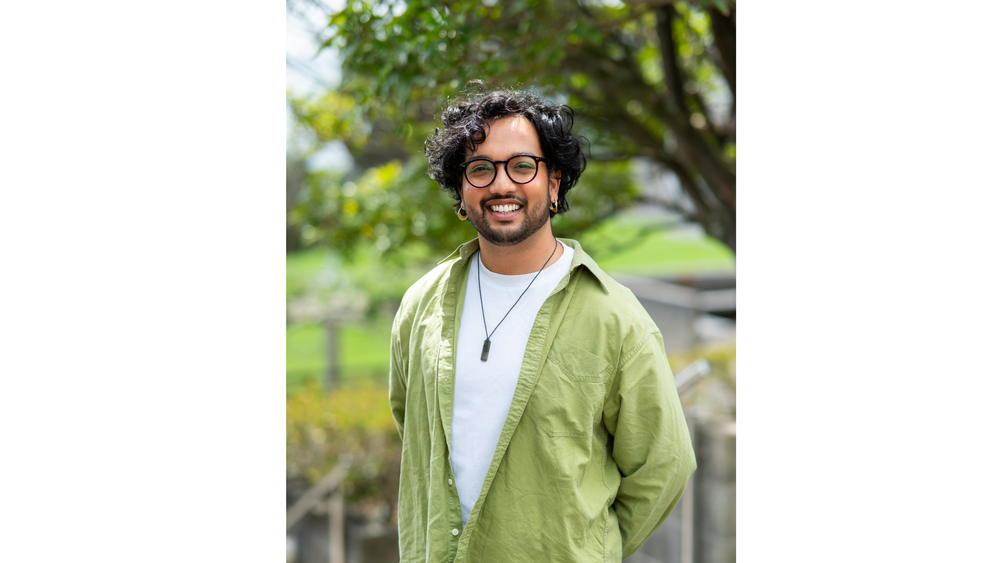
Shawn Wimalaratne (they/them) is a Sri Lankan born, Aotearoa based changemaker dedicated to equity, storytelling, and systems transformation. As the Co-Chair of Rainbow Youth, Shawn brings their queer, non-binary migrant lived experience into national conversations on wellbeing and belonging. Their mahi centres on championing Rainbow whānau, ethnic communities, and those navigating the margins through human rights advocacy, culturally grounded engagement, and creative storytelling. Guided by compassion, kaupapa Māori values, and a commitment to collective liberation, Shawn strives to build systems where everyone can belong, thrive, and be seen.
Sofia Cinque combines her environmental science background with somatic and menstrual cycle coaching to support women to build grounded, sustainable, and wellbeing-centred leadership. She holds a degree in Environmental Sciences and has spent the past decade working in waste minimisation, community campaigns, and advocacy for regenerative, circular approaches to sustainability. Building on this foundation, Sofia is developing a coaching practice that helps women understand their nervous system, reconnect with their menstrual cycles, and align their lifestyle with their natural rhythms. She supports women and emerging leaders to feel resourced and resilient, recognising how personal and collective wellbeing contribute to the resilience of living systems.
Ko Tana Apiata ahau, he uri nō Ngāpuhi me Kāti Māmoe. Driven by purpose, he serves whānau, hapū, and iwi, delivering projects that strengthen communities, protect heritage, and uphold cultural values. A problem solver and resilient leader, Tana navigates complex challenges, aligns priorities, and leverages extensive networks to achieve sustainable, culturally-informed outcomes. Guided by tūpuna and tikanga, he carries out his mahi with humility, care, and deep respect.
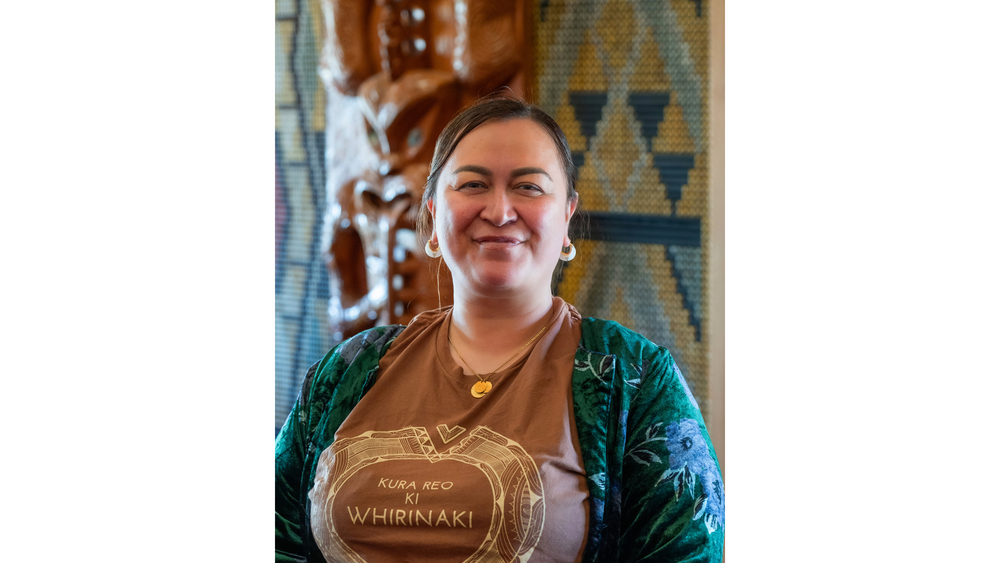
Tania Bristow is a kaupapa-driven, mokopuna-led, community leader, proudly raised and rooted in her kāinga, whose mahi spans hauora, rangatahi development, reo and cultural revitalisation, environmental restoration, and whānau-centred governance. Much of her work is voluntary, including Te Piringa youth wellbeing, Kura Reo ki Whirinaki, Te Paiaka Marae Touch, the Whirinaki Waterboard, and co-founding the Te Kōrau Māori business programme. She is intentional about where she places her time and energy, choosing only kaupapa that align with who she is and the whāinga she carries for her whānau and her culture. Grounded in mātauranga, protected by her tūpuna, and supported by her whānau, she leads with purpose, gratitude, and deep connection to her communities.