

Helping philanthropic funders to understand impact
Good practice resources
Welcome to this guide for funders on understanding impact. We developed these resources in the process of supporting Foundation North in refining its approach to monitoring, evaluation and learning (MEL).
We also created three short reports:
Understanding impact in philanthropy: Foundations
Understanding impact in philanthropy: Te Tiriti considerations
Understanding impact in philanthropy: Leading practice
We encourage you to explore these resources and discuss them in your organisation, including with your Board of Trustees.
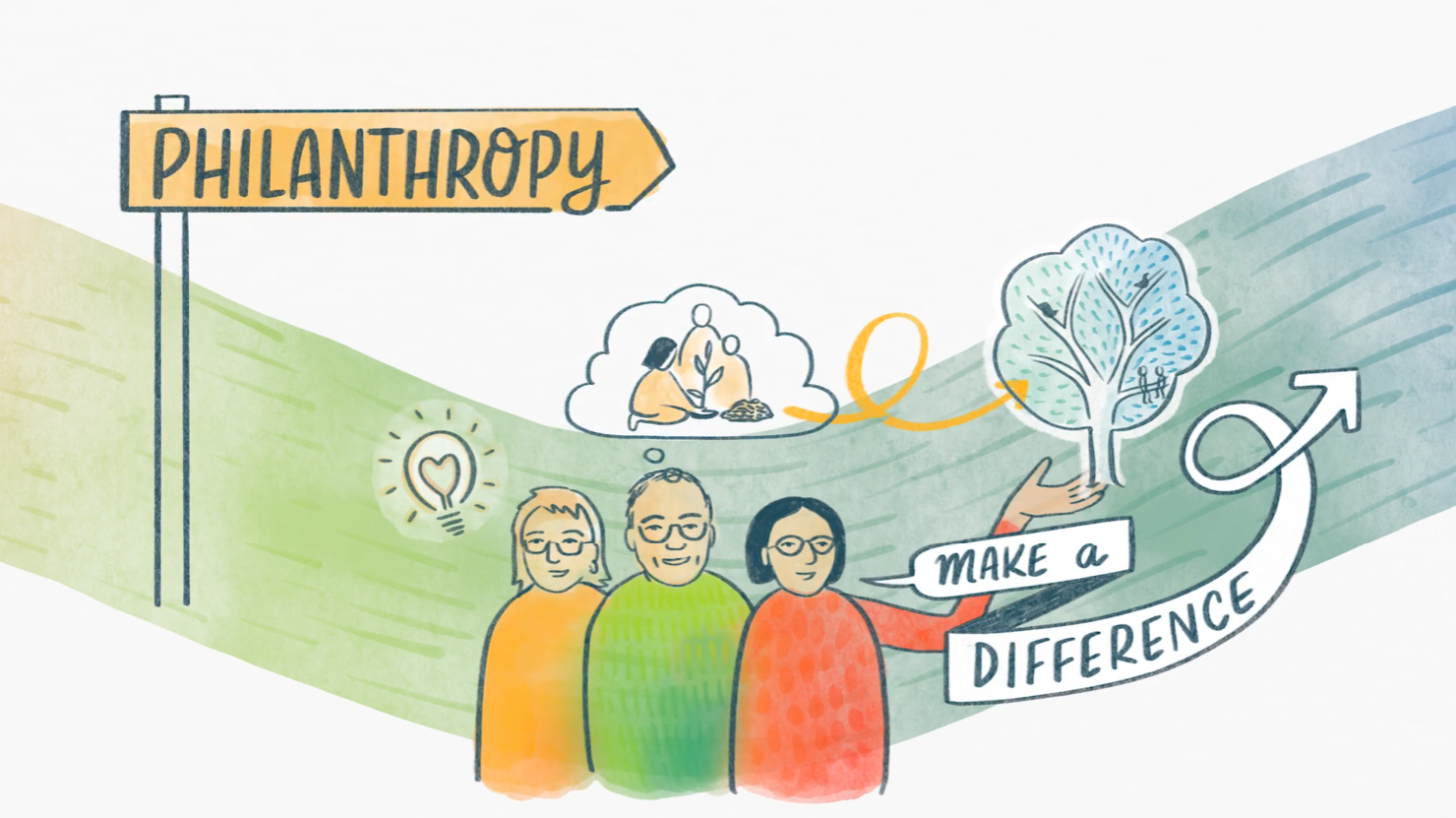
What does understanding impact mean?
Philanthropy is about gifting money and other kinds of support to enable ‘good’ in the widest sense. It is all about making a positive impact in the world.
Understanding impact as a funder is not straightforward, given:
- The power dynamics in philanthropy, and a traditional focus on what was done (outputs) and how money was spent (accountability), over outcomes and learning.
- Impact is achieved by groups supported, usually out of sight of the funder.
- Difficulty proving cause and effect between funding and real-world impact, given multiple forces at play.
- Diverse understandings of what impact looks like and varied capability to identify it clearly.
Ways for funders to understand impact
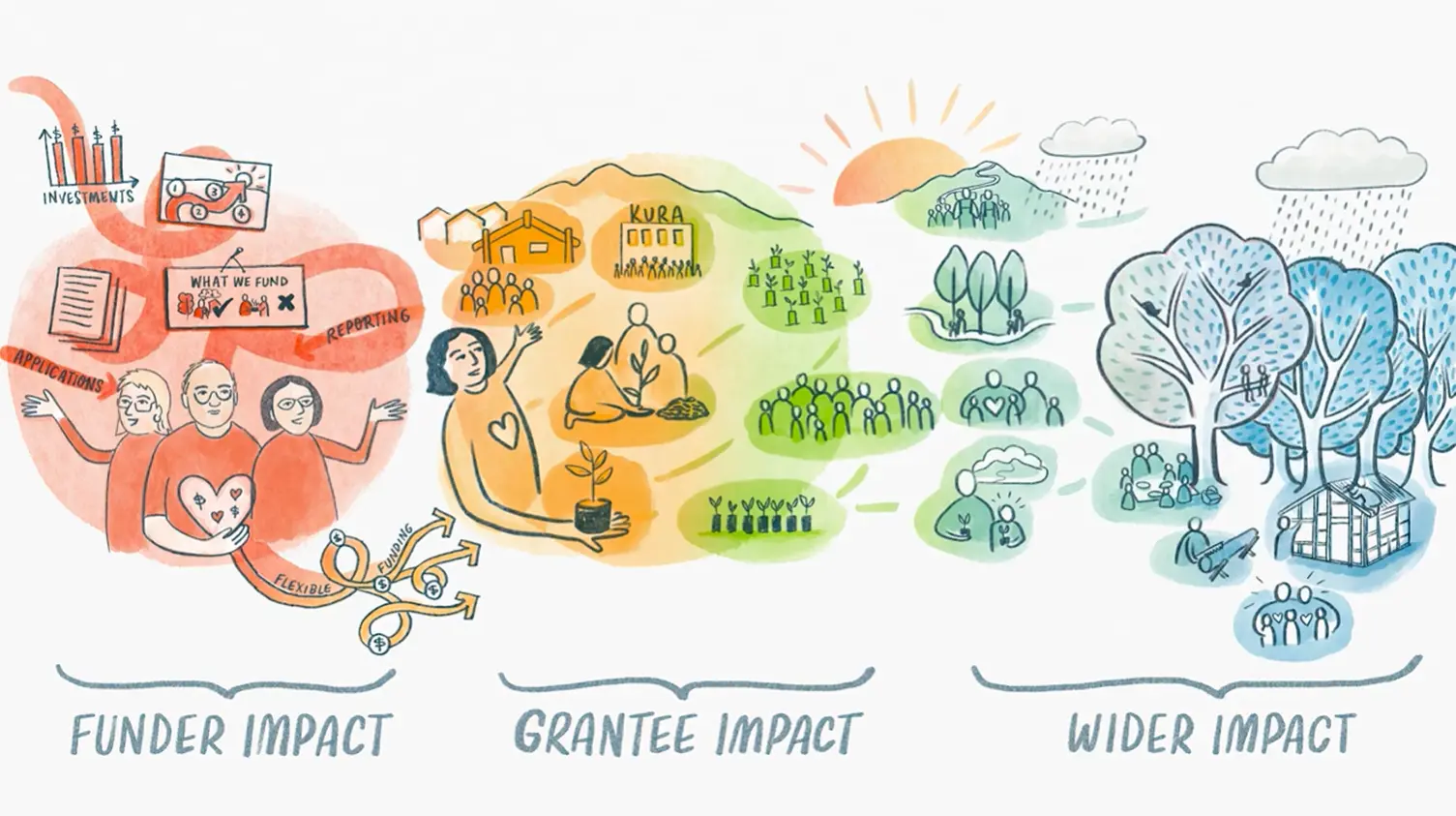
Funders tend to think about impact as being the difference made by the people they fund (grantee impact). However, it's important to reflect on the impact of your own practices as a funder, such as your policies, processes and reporting requirements (funder impact).
It's also useful to identify the bigger societal and environmental changes you can contribute to, like changes in mindsets, government policies, biodiversity, or climate. To understand and grow your impact, consider how you can continuously learn and improve at all three levels.
Good practice
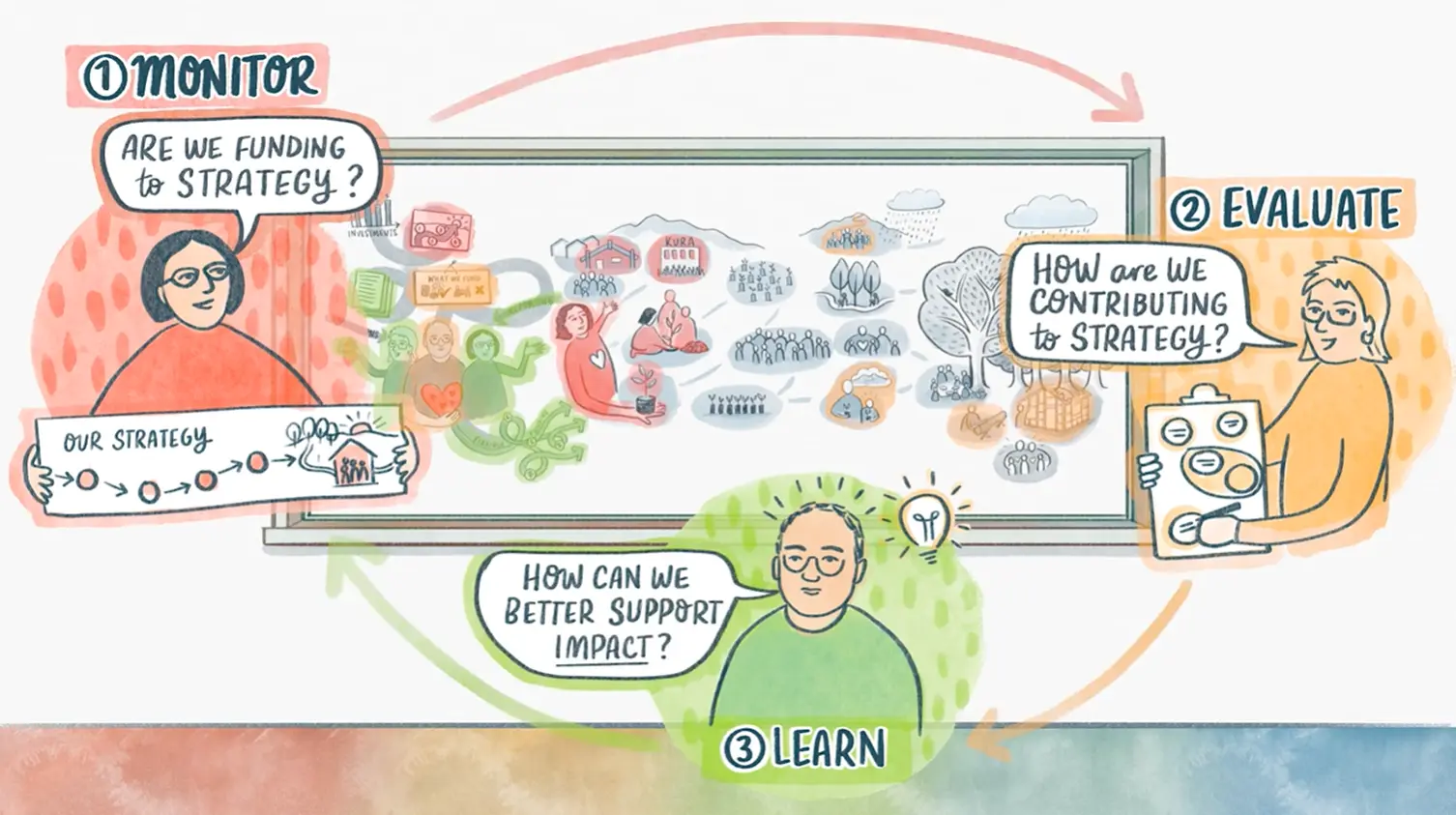
Three questions can help to guide your approach to understanding impact.
- Are we funding to strategy? Monitor whether you are funding to your strategy, or where your funding is going, to who and what for. Monitor community issues and priorities to help you understand where to focus your contribution.
- How are we contributing to our strategy? Evaluate what is changing for who, how and to what extent.
- How can we better support impact? Keep learning about what supports impact and how to make a greater difference.
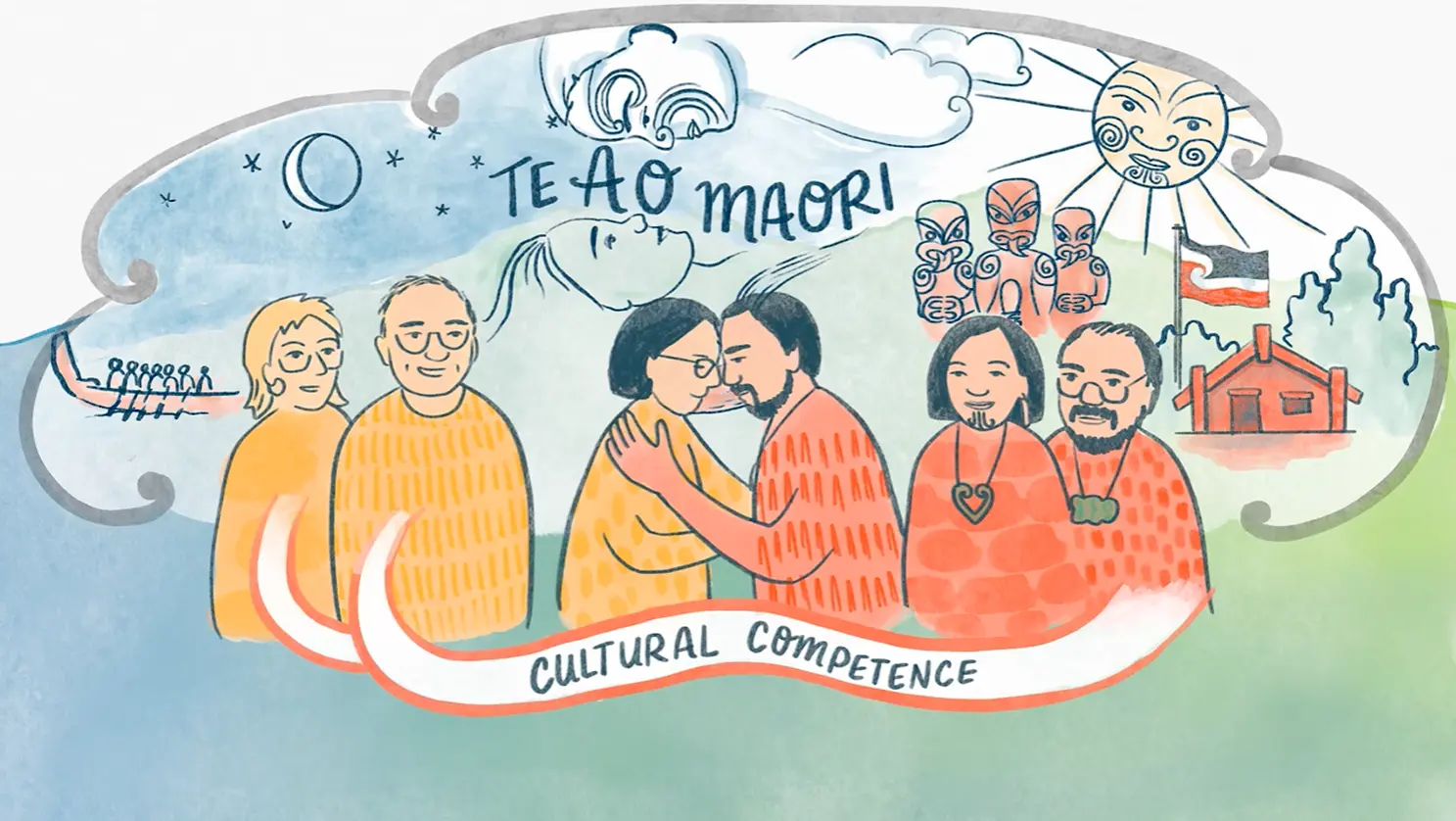
To make changes that benefit us all and to honour Te Tiriti o Waitangi, funders need to build trust and enduring relationships with Tangata Whenua. Relationships grow through partnering and power sharing, and when it comes to understanding impact in a Māori context, it's vital to deepen your understanding of te ao Māori and grow your cultural competence.
To identify the impact of the groups you fund, your reporting requirements are key. Here are some ways you can make these work better for everyone.
- Ask a few meaningful questions and only ask for information you'll actually use.
- Give groups a range of options for reporting back, for example in writing, verbally or digitally.
- Support groups to capture their impact well, for example, by giving guidance or providing an evaluator. Make sure the support you provide is culturally appropriate and that you protect community data and intellectual property.
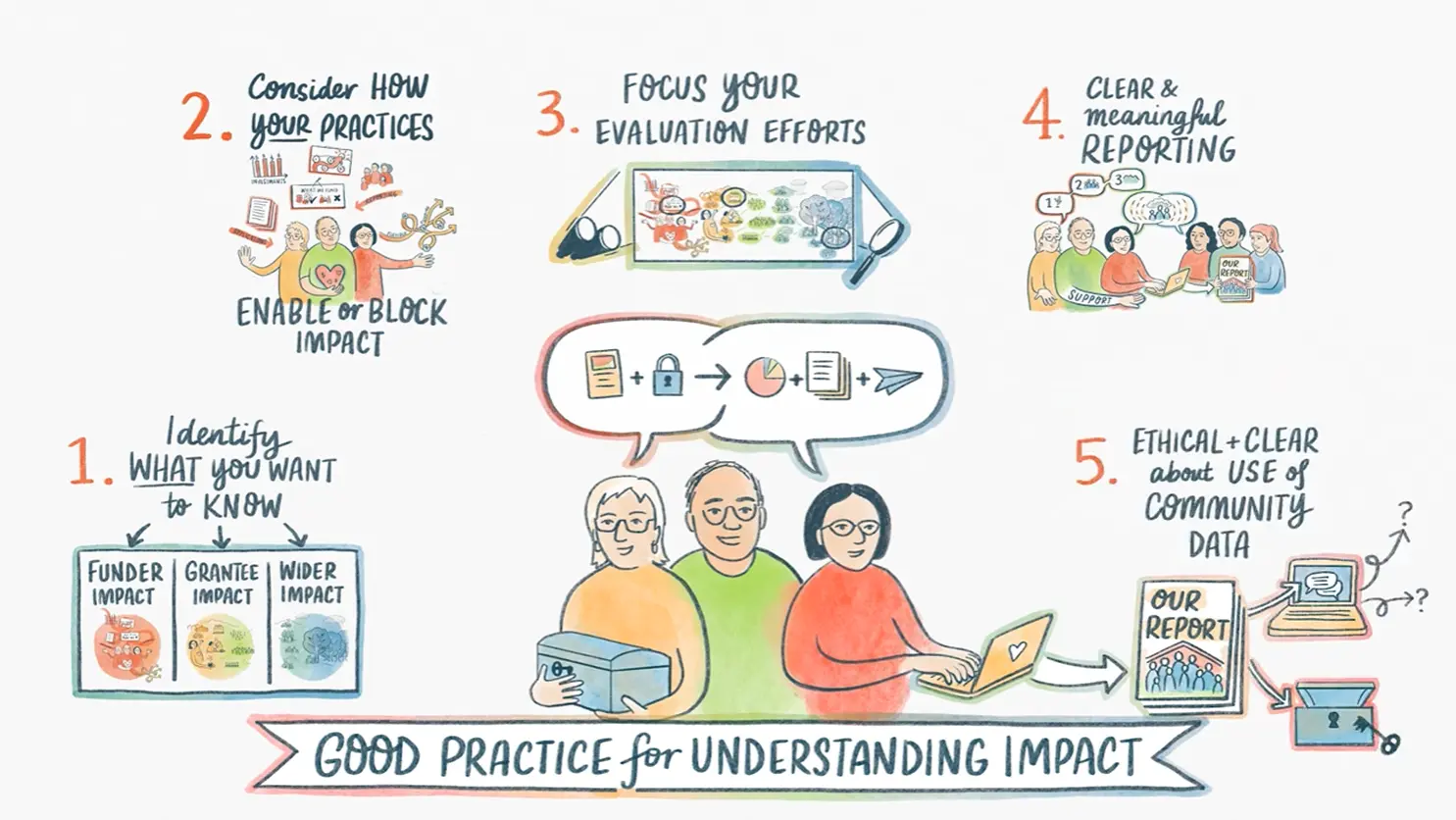
Here are five things to remember for good practice in understanding impact.
- Firstly, identify what you want to know at the three levels of funder, grantee and wider impact.
- Consider how your own practices and policies enable or block impact.
- Focus your evaluation efforts to reflect what you want to know.
- Make sure your reporting requirements are clear and meaningful for everyone.
- Be ethical and clear in your use of community data.
Tell us what you think
This is a living resource and we would love your suggestions or links to useful resources.
Please send us an email to info@csinz.org with “Te Pūaha o te Ako understanding impact resource” in the subject heading.
Video and images: produced in collaboration with Jacqui Chan, Drawing for Change.