

Core skills toolkit
(Updated) A practical, easy-to-use toolkit of resources and insights to help new and small community groups or not-for-profit organisations thrive.

Welcome to your go-to toolkit for a new or small community group or not-for-profit organisation.
Running a new or small community group or not-for-profit organisation can feel like juggling a dozen balls at once - strategic planning, community engagement, cultural responsiveness, and more. That's why we've created this practical, easy-to-use toolkit packed with resources and insights to help you thrive.
This toolkit offers an overview of key topics that may be relevant to your organisation, alongside a list of resources to help you explore and navigate these areas. Whether you're focusing on strengthening your strategic direction, connecting with your community, or thinking about how to tell your impact story, this toolkit provides a starting point to support your journey.
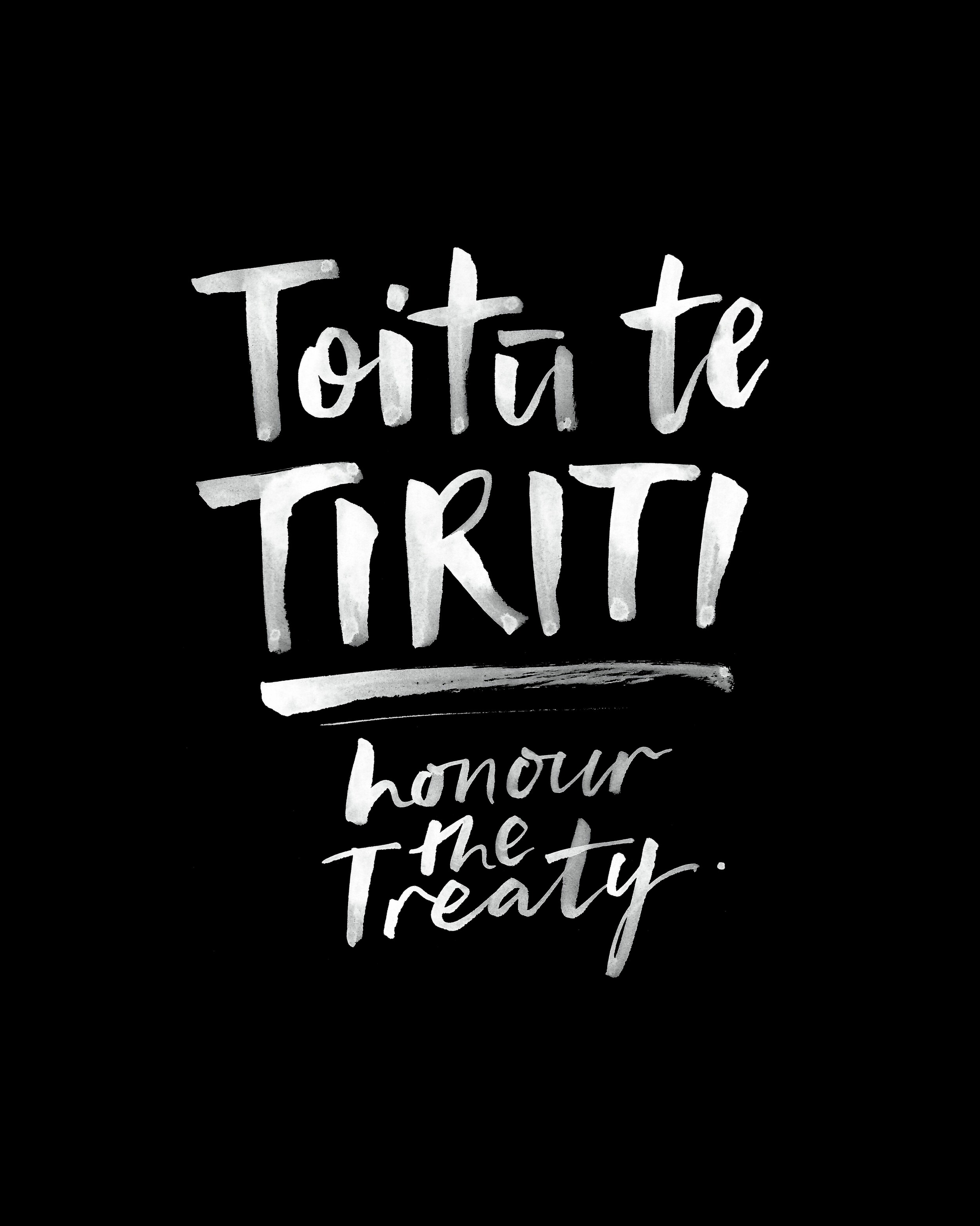
Te Tiriti
Many organisations are keen to work towards becoming a Te Tiriti-focused organisation that works in partnership with Māori, being responsive to Māori as tāngata whenua and inclusive of everyone else as tāngata Tiriti.
Why it’s important
- Respect: commitment is matched by competent practice and appropriate mahi.
- Inclusion: inclusive practices that benefit everyone in the community.
- Partnership: develop meaningful partnership with tāngata whenua, and listen and learn to deepen understanding and inform actions and behaviours.
Getting started
- What does working in partnership with Māori mean for your organisation?
- What do inclusive practices that benefit Māori look like in your organisation?
- How are you reflecting on and improving your organisation’s practices to better honour Te Tiriti?
Resources
- Engaging with Te Tiriti and Matike Mai. Resources for embracing te ao Māori in our organisations and workplaces. Matike Mai is a report on constitutional transformation for Aotearoa New Zealand.
- Nurturing cultural competency through webinars and news.
- Ngā rerenga o Te Tiriti: Community organisations engaging with the Treaty of Waitangi. Offers practical insights on how community organisations can effectively engage with Te Tiriti o Waitangi and offers real-world examples and actionable strategies for embedding Te Tiriti.
- Te Tiriti resources. A collection of resources that supports organisations and individuals to embed Te Tiriti o Waitangi principles into their daily actions and practices.
- Te Tiriti resources for learning and action. A webinar about how to take your organisation forward in actioning Te Tiriti o Waitangi.
- Together for a flourishing Aotearoa, Te Tiriti o Waitangi explained. A booklet covering why Te Tiriti is important to all of us, what Te Tiriti says and how we can talk with friends, whānau and workmates about Te Tiriti.
- Applying Te Tiriti o Waitangi. An overview of how Te Tiriti o Waitangi is applied in a modern-day context, and funders reflect on embedding Te Tiriti in practice.
- Matike Mai Resource Hub. A hub marking the 10th anniversary of the Matike Mai report, compiling written and video resources, community networks and projects, and discussions on constitutional transformation.
Watch the Te Pūaha Talk webinar Exploring the Core Skills Toolkit: Te Tiriti below, hosted by Kathryn Nemec and Aimee Kaio. The slides for this session are available to download here.

Climate action
Climate action is about the practical steps your organisation can take to reduce its own emissions and prepare for the effects of a changing climate. For small community groups, this can include reducing waste, choosing more sustainable suppliers, lowering energy use, helping whānau prepare for floods and extreme heat, running workshops on sustainable living, supporting local food growing or embedding climate thinking into your everyday planning and decisions.
It also means working in ways that honour Te Tiriti o Waitangi, kaitiakitanga (guardianship), and social justice - ensuring those most affected by climate change have a voice and benefit from the solutions.
Why it’s important
- Climate change is already affecting our communities through more frequent and more intense storms, rain events, flooding and droughts.
- Small organisations are often closest to the people and places most impacted, so your relationships matter in times of need.
- Taking Climate action can strengthen your mission, engage volunteers, and build stronger, more resilient communities.
Getting started
- How does climate change already affect the people or places we work with?
- What one or two practical things could we do that align with our current activities? (for example: reducing waste, choosing sustainable suppliers, running a workshop, or helping whānau prepare for extreme weather)
- How can we involve our community, especially mana whenua and those most affected, when deciding what to do?
- Could we take climate considerations into our strategy or procurement decisions?
Resources
- Climate Action Tools Hub Centre for Social Impact. A practical directory of tools and resources developed specifically to help Aotearoa non-profits take climate action.
- Community Climate Action Fund (and similar local funds). Many councils now offer small grants for community-led climate projects - check your local council website.

Working in a culturally responsive way
Working in a culturally responsive way means recognising, respecting, and valuing the cultural diversity of the communities you serve. It involves actively incorporating cultural considerations into all aspects of your organisation’s work, from programme design to service delivery. It also fosters a culture of collaboration and innovation by bringing together different perspectives and ideas.
Why it’s important
- Respect: it ensures that your services are relevant and accessible to diverse groups.
- Effectiveness: services are more effective when they are culturally appropriate.
- Inclusion: it fosters trust and stronger relationships with your community as all voices are heard and valued.
Getting started
- Have you considered what working in a diverse and inclusive way means to your organisation?
- Are your services culturally appropriate and effective?
- How do you ensure that all voices in your organisation and community are heard and valued?
Resources
- Diversity Works NZ has a range of resources including an Aotearoa Inclusivity Matrix, policy and strategy templates and diversity sessions webinars.
- Working with tāngata whenua. Community-led Development.
- How to hold a conversation on belonging. A resource from Inclusive Aotearoa Collective Tāhono.
- Te Tiriti justice from a faith-based organisation. A Christian group sharing the promise of mutual flourishing, that Te Tiriti o Waitangi represents.
- A case study. Sharing Te Tāpui Atawhai Auckland City Mission’s commitment to acknowledging the relationship between Māori and Tāngata Tiriti under Te Tiriti o Waitangi.
- Cultural capability resource. Tools and e-learning for building cultural capability, including intercultural courses, and the Te Ihi app (introducing te reo Māori and tikanga).
- Diversity good practice guidelines. Guidelines supporting community groups to develop their practice in relation to diversity.
Watch the Te Pūaha Talk webinar Exploring the Core Skills Toolkit: working in a culturally responsive, hosted by Kathryn Nemec and 'Emeline Unga. The slides for this session are available to download here.

Using AI responsibly in your organisation
Artificial intelligence tools are becoming part of everyday working life. This section offers an introduction to AI, guidance on using it responsibly, and links to further advice and resources - including how to develop a simple AI policy for your organisation.
Key definitions
- Artificial intelligence (AI) is a catchall term for the ability of a computer to perform tasks that normally require human intelligence, such as recognising patterns.
- Generative AI is a type of AI that creates content (such as text, images, or code).
- Large language models (LLMs) are a type of generative AI trained to understand and generate human language. Common LLM examples include ChatGPT, Perplexity, and Claude, all of which offer free and paid versions, with differing levels of privacy/data protection. If you use Microsoft Office, the built-in Copilot is a further option.
Why it’s important
- Awareness: AI is being rapidly adopted across many sectors. It offers both opportunity and risk for not-for-profit organisations. You do not have to use AI in your work or organisation but understanding it (sometimes called AI literacy) is increasingly important.
- Potential: AI will never replace human lived experience, voice, or judgement. However, if used well and with appropriate safeguards, it has the potential to enhance efficiency and productivity across a range of areas, including grant seeking (see our Funding Guide), monitoring and evaluation, and communications.
- Intentionality: With AI evolving quickly, it is important to consider what its adoption means for your team, your work, and the communities you serve - so that your use of it remains intentional and values-led.
Getting started
- Have you talked with your team about how and whether they are already using AI tools, and what questions or concerns they have?
- Have you considered the risks and challenges associated with AI use, including environmental impacts, potential bias, and data privacy, and what these mean for your organisation? (see Risks, challenges and considerations).
- Have you developed a policy or position statement as an agreed way of working to guide AI use in your organisation and ensure it is in line with your values?
- If you choose to use AI, is it to support and enhance your own work, not as a primary content creator or substitute for your own thinking and expertise? Always review and refine any AI-generated content so it reflects your work accurately and authentically.
- Are you having ongoing conversations about AI and keeping your policy under review? AI tools and best practice guidance are evolving quickly - what works now may need updating.
Resources
- Risks and Challenges of AI. These notes will help your organisation use it responsibly.
- Developing an AI policy. Why it's important to have an organisational AI policy and what it needs to cover.
- Responsible AI Guidance from the New Zealand Government, particularly regarding Generative AI. While focused on the public service, the advice is relevant for the not-for-profit and community sector.
- The Risks and Promise of AI. A summary of key risks for not-for-profits in adopting AI, along with its potential to enhance efficiency and increase impact.
- Understanding AI. A comprehensive set of definitions from Georgetown University, USA.
- AI and Privacy. Guidance from the Privacy Commissioner.

Wellbeing / Hauora
Wellbeing is about taking care of yourself and your team. Practices that foster self-awareness, reflection and self-care are important to sustain and inspire personal and organisational health. For small not-for- profits, integrating these practices can help manage the ups and downs of daily life and work.
Why it’s important
- Health: good wellbeing practices prevent burnout and promote long-term health.
- Productivity: healthy and happy teams are more productive and effective.
- Sustainability: taking care of your wellbeing ensures that your organisation can continue to thrive.
Getting started
- What are you doing to prioritise the wellbeing of yourself and your team?
- Do you have practices in place to prevent burnout and promote mental and physical health?
- Is your workplace culture supportive and inclusive, promoting a sense of belonging and respect among team members?
Resources
- Te Whare Tapa Whā. The Māori holistic model of health, Te Whare Tapa Whā, reminds you to take care of all the different aspects of your life to support your wellbeing. This resource includes videos, tips and personal stories.
- Hauora: Rest, reflect and reset for Matariki. Highlights the significance of Matariki, the Māori New Year, as a time for rest, reflection, and resetting personal and collective goals. It offers practical guidance and reflective practices to nurture well-being during this period.
- Unu Ora – a personal wellbeing resource. Provides tools and practices for personal well-being, rooted in Māori cultural traditions. It helps answer questions such as "What are some culturally grounded practices for enhancing personal well-being?" and "How can we incorporate these practices into our daily lives?"
- Ngahere - individual wellbeing practice. A resource for personal wellbeing, grounding and nurturing a connection to Papatūānuku.
- Ngahere for Teams - wellbeing practice for teams and workplaces. A resource designed to support teams build skills and practices for wellbeing and restorative systems change work.
- Matariki, Environment and Wellbeing. Articles and resources linking Matariki to the environmental and Hauora.
Watch the Te Pūaha Talk webinar Exploring the Core Skills Toolkit: Wellbeing / Hauora, hosted by Kathryn Nemec and Tuihana Ohia. The slides for this session are available to download here.

Community engagement
Community engagement is about building relationships with the people your organisation serves, and tapping into their knowledge about community needs and issues. It's essential because strong community ties lead to better support for your projects, opportunities for collaboration, and ensure your project reflects what’s important locally.
Why it’s important
- Connection: engaging with your community helps you understand their needs and how your organisation can address them.
- Support: a well-engaged community is more likely to support your initiatives, help spread your message and potentially volunteer.
- Impact: the more you involve your community, the greater the impact your projects will have.
Getting started
- Are you clear on your purpose for engaging with the community that your organisation serves?
- Do you have some ideas for the engagement strategies that will work well with your community?
- Once you’ve gathered information about their needs, do you have the resources to be able to act on that information, and demonstrate that you’ve listened to your community?
Resources
- Lessons for successful mana whenua engagement. Contains tips for those who want to engage well with mana whenua, but who might not know where to start. It provides a starting point for ensuring engagement starts well and continues positively.
- Community engagement tips. Tips to strengthen and define your engagement approach, whether one-to-one, small groups or larger community gatherings.
- What should I know about running a public event? Provides guidance on organising a successful public event, covering key aspects such as planning, legal requirements, health and safety considerations, and promotion.
- Best Practice Guidelines – resources hub from Tūao Aotearoa Volunteering New Zealand. This is a website with a range of resources to help you work with volunteers in your organisations. From recruiting, on-boarding and training volunteers, to health and safety, recognising volunteer impact and exiting volunteers, it's all there.
Watch the Te Pūaha Talk webinar Exploring the Core Skills Toolkit: community engagement below, hosted by Kathryn Nemec and Miranda Cassidy-O'Connell. The slides for this session are available to download here.
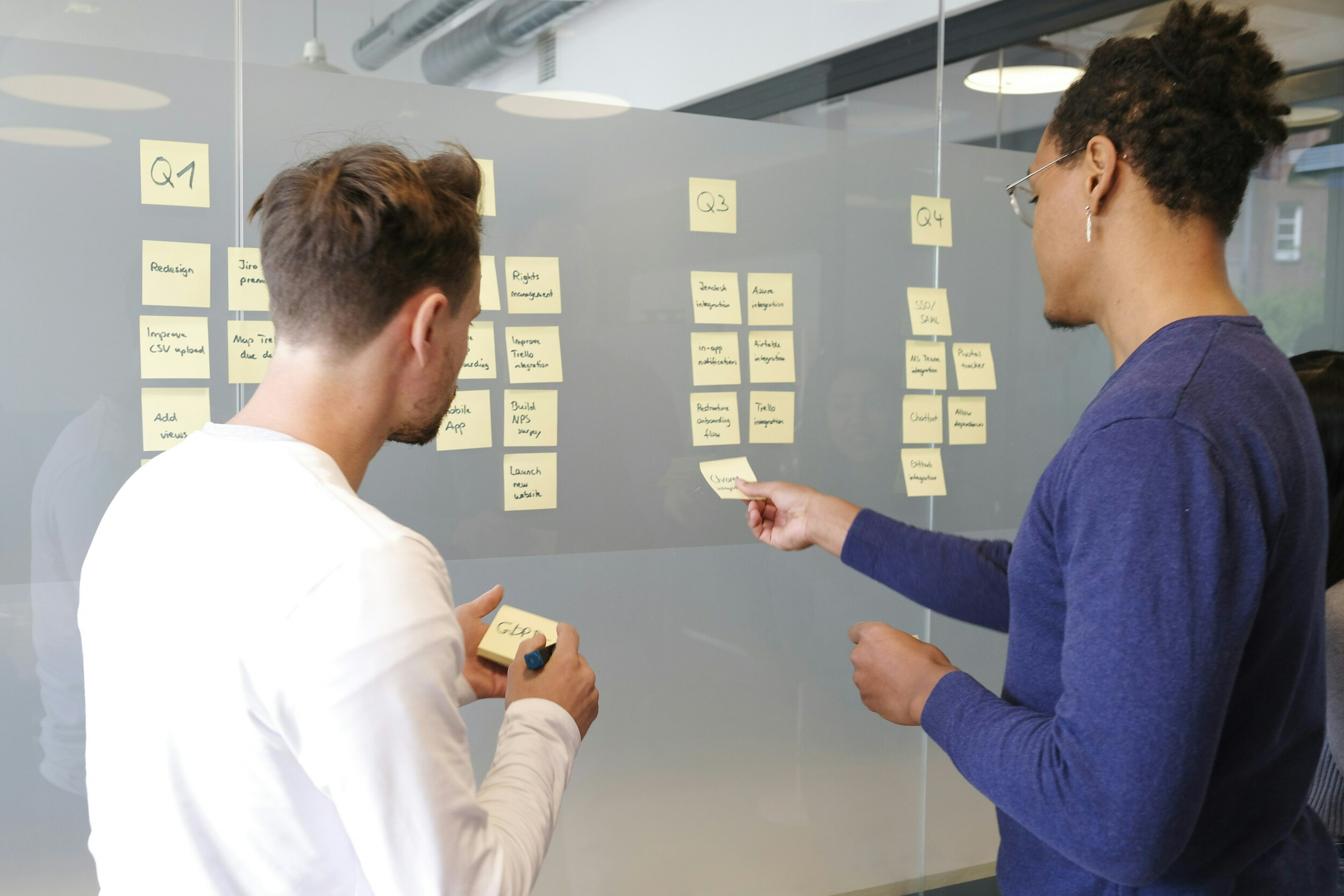
Strategic planning
Strategic planning is about setting long-term goals and determining the best ways to achieve them. Setting your organisation’s direction and priorities will help you stay focused and effective, and help ensure decision-making is more likely to be aligned to your mission and values.
Why it’s important
- Direction: a clear plan guides your organisation’s actions and decisions.
- Efficiency: knowing your priorities helps you use resources wisely.
- Growth: strategic planning helps you anticipate challenges and opportunities.
Getting started
- Can you describe what you’re doing, why, and the difference you expect to make?
- What are the current trends and challenges in your sector and how will this influence what you do and who you engage with?
- What resources do you need to achieve your goals and how will they be allocated?
Resources
- Creating a powerful one-sentence statement for what you do. Offers guidance on crafting a compelling one-sentence statement that describes your organisation’s mission and impact. It helps answer questions like "How can we clearly and powerfully communicate what we do?" and "What key elements should our statement include?".
- Strategic planning, what, why and how. Explains the fundamentals of strategic planning and presents a range of strategic planning tools.
- Template for a strategic plan. This template provides a practical tool for creating a strategic plan. It helps answer questions like "How can we structure our strategic plan?" and "What key components should be included?”.
- Developing strategy for your organisation. This workbook will introduce some key concepts to help you understand the role of strategy in your organisational planning, and how to develop your strategy.
Watch the Te Pūaha Talk webinar Exploring the Core Skills Toolkit: strategic planning below, hosted by Kathryn Nemec and Esther Whitehead. The slides for this session are available to download here.

Evaluation and measuring impact
Evaluation is about assessing and demonstrating the value, effectiveness and difference made by an initiative. It also helps you to learn and inform future planning, action and decision making.
Why it’s important
- Demonstrating worth: shows you and others what is valuable and worth doing (and what not to do).
- Learning: evaluation provides valuable insights that help you improve what you do.
- Direction: understanding your impact can guide your future work.
- Credibility: showing the impact of your work builds trust with stakeholders and funders.
- Resourcing: evidencing impact helps sustain and grow resourcing for your work.
Getting started
- Do you have goals to identify the changes and outcomes you intend from your activities?
- Do you have an approach to evaluation that’s relevant and manageable for your organisation?
- Do you know how to demonstrate the impact of your work to stakeholders and funders?
- Are you using evaluation insights to improve your work?
- Have you considered how understanding your impact can guide your strategy?
Resources
- Introduction to evaluation. Introduces the basics of evaluation, explaining what it is and providing using frameworks and tools.
- Monitoring and evaluation. Provides an in-depth look at monitoring and evaluation, outlining the processes and tools needed to track and assess the progress and outcomes of your activities.
- What works – know and show the difference you make. A website for people in Aotearoa offering practical advice and tools for tracking and communicating the impact of your work.
- Understanding Your Impact: A Guide. Helps organisations understand and articulate their impact, providing a framework and approach for effective impact assessment.
- Evaluation; Fibre Fale’s Hibiscus Impact Model. A Pacific organisation's approach to understanding their impact.
- Demonstrating Impact - Useful tools. This workbook contains useful tools to understand and demonstrate impact, regardless of creative focus, scale and stage of development.
- Logic models and theory of change. A resource which explains the difference between logic models and theory of change models and how to use them.
- Measuring Impact. A simple infographic and guide created specifically for community organisations grappling with impact measurement.
Watch the Te Pūaha Talk webinar Exploring the Core Skills Toolkit: evaluation and impact below, hosted by Kathryn Nemec and Rachael Trotman. The slides for this session are available to download here.

Telling your story of change
Mapping out and telling your story of change involves showing and explaining how the work you do makes a real, positive difference to people, whānau or communities. It involves joining the dots between what you actually do every day, to the things you deliver, the changes people experience and the longer-term change that happens as a result.
You might use a short written story, a bullet-point list, or a one-page sketch on paper. The goal is to make your mahi easy for anyone (funders, board, whānau, community) to understand what you do and its value.
Why it’s important
- Helps your team stay focused on what really matters.
- Makes it much easier to explain your work clearly in funding applications, reports, or conversations.
- Shows funders you’re thoughtful and intentional about creating meaningful change.
- Turns vague feelings (“we’re doing good things and people feel better”) into a strong, believable story backed by evidence.
- Guides what you track and measure so you and others can understand the difference you’re making.
Getting started
Ask yourself these questions to build your story:
- What are the main activities we do right now? (Jot down what you spend your time doing and resources on).
- What things result from the activities we deliver or produce – outputs? (List the things you can count, e.g. number of sessions, people attending, items distributed).
- What changes do we hope to see for the people, whānau or communities we work with – outcomes? (List 2-3 outcomes about the short- or medium term changes that people experience from what you do, e.g. more confidence, better connections, new skills).
- What long-term difference could this lead to in people's lives, whānau, communities or the wider area – impact? (Write down the bigger positive change you’re contributing to over time, e.g. more connected whānau across the neighbourhood).
- How will you notice or collect evidence of these changes? (Add some ways you can gather stories, feedback, photos, numbers or observations to show it’s happening).
- How will you reflect on and learn from what you discover? (For example, will you review your evidence as a team or whānau every few months and use the insights to strengthen or adjust your programme and planning?)
Resources
- Tūhono Impact (from Inspiring Communities/Powerdigm). A free, community-friendly toolkit that includes simple worksheets and templates.
- Telling your impact story. Guidance and tools for an impact story and measuring impact across organisations and community groups, including frameworks such as Theory of Change and Logic Models.
- See the Funding Guide’s “Applying for funding – what's needed” section for how to use a story of change in a funding application.
A few extra tips
- Unintended positive outcomes: Keep a short “unexpected wins” note about new friendships, community connections, or other surprises. These can be incorporated into your story.
- Community-led storytelling: Ask participants/whānau what changes they notice and value most. This makes the story authentic and owned by the community.
- Using AI responsibly: Tools like ChatGPT can help draft or organise your story but always review it, add your voice, and never input sensitive or personal details.
See Section 5 on Using AI Responsibly in your organisation.

Communicating your work
Effective communication will help you to connect with your communities, share your story and demonstrate impact. Using up-to-date communication strategies will ensure that your organisation stays relevant and effectively engages your audience.
Why it’s important
- Engagement: effective communication, especially through social media, allows you to engage your audience with messages that resonate and prompt action.
- Storytelling: stories enable an emotional connection with your audience that helps build relationships and support.
- Relevance: staying current with communication trends, such as creating impactful content and leveraging social media, keeps your organisation visible.
- Impact: clearly communicating your impact and evaluation findings builds trust with funders and demonstrates the value of their support.
Getting started
- Are your communication channels, especially social media, effectively engaging your audience?
- Is your content impactful and relevant to your target audience?
- Are the stories you share about your work and impact building relationships and support?
- Is the impact of your work being clearly communicated to your community and funders?
Resources
- Do you want to leverage social media to enhance your impact? Provides practical tips for growing your social media presence.
- Creating content that counts in a changing world. Practical tips for creating compelling content and staying relevant with up-to-date communication strategies. Includes a template for social media planning in your organisation.
- Sharing your story. Guidance for arts (and other) organisations to create effective communication plans that align with their strategic goals.
- Introduction to communication. An introduction to communications for community groups, plus a detailed section and adaptable template on developing a communications plan.
- Effective messaging. Guidance and resources on creating coherent, audience-focused messages that reach diverse groups.
- Communications planning. Practical advice and guidance on communications planning.
Watch the Te Pūaha Talk webinar Exploring the Core Skills Toolkit: communicating your work, hosted by Kathryn Nemec and Robin Hickman. The slides for this session are available to download here.
Tell us what you think
This is a living resource and we are open to receiving your suggestions or links to useful resources.
Please send us an email on info@csinz.org with “Te Pūaha o te Ako toolkit” in the subject heading.
Image captions
- Planning image: Jason-Goodman on Unsplash
- Te Tiriti image: copyright Maimoa Creative, all rights reserved
- People meeting: photo by Christina @ wocintechchat.com on Unsplash
- AI: photo by Markus Winkler on Unsplash
- Forest image: photo by Adriel Kloppenburg on Unsplash.
- Community walk: photo by Douglas Bagg on Unsplash
- Post its on board: photo by airfocus on Unsplash
- Leaf: photo by Toby Hall on Unsplash
- Tiles: photo by Jon Tyson on Unsplash
- Zoom meeting: photo by Chris Montgomery on Unsplash